
In today’s interconnected globe, pupil communities play a crucial role in shaping scholastic and individual experiences.

These neighborhoods are not simply collections of people however are dynamic environments that foster development, finding out, and collaboration among trainees. They vary extensively in type and feature, from campus-based teams to international online discussion forums, each offering distinct opportunities for involvement and growth.
Whether you are tipping onto a college university for the first time or taking part in virtual understanding environments, understanding the structure and benefits of pupil areas can greatly boost your educational trip. This article explores the significance of pupil areas, checking out just how they work, the advantages they give, and the methods which they can be leveraged for personal and scholastic success.
Understanding Student Areas
Pupil areas are fundamental to the scholastic experience, serving as both social and academic support systems. At their core, these communities are groups formed normally by trainees that share common interests, objectives, or fields. They can be informal, such as study groups, or official, like student unions and clubs.
These areas are identified by a shared identification and the cumulative search of understanding, skills, and experiences. They work as platforms for trainees to connect, team up, and add to each other’s development, prolonging past scholastic borders to influence individual advancement and neighborhood engagement.

Fundamentally, trainee areas are microcosms of bigger societal frameworks, where management abilities are honed, ideas are traded, and long-lasting friendships are developed. The interactions within these communities show a varied mix of cultural, intellectual, and social characteristics.
- Networking Opportunities: Student communities provide a network of peers and coaches that can provide assistance and advice.
- Ability Development: Taking part in neighborhood tasks helps pupils establish crucial skills such as communication, leadership, and teamwork.
- Source Access: These areas typically provide accessibility to scholastic resources, including research products and experienced suggestions.
- Social Involvement: They use a system for social interaction, alleviating the shift right into brand-new academic settings and helping to fight isolation.
With these various features, trainee neighborhoods become indispensable to the alternative advancement of pupils, laying a foundation for future professional and individual success.
The Benefits of Taking Part In Pupil Areas
The advantages of joining pupil areas are diverse, affecting both scholastic and individual balls.
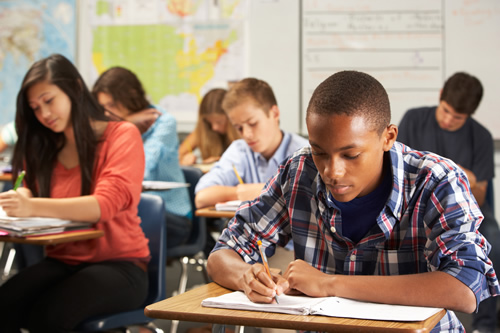
On a scholastic level, these neighborhoods encourage joint learning, permitting trainees to gain from diverse point of views and proficiency. Sharing expertise and sources within a community can lead to a lot more efficient learning end results and improved academic efficiency.
Furthermore, pupil communities use a platform for personal development and self-discovery. By involving with peers from various backgrounds and disciplines, trainees gain a more comprehensive worldview, improving their cultural capability and empathy. This exposure to varied perspectives is important in creating crucial reasoning and analytic skills.
In addition, active involvement in area tasks can improve trainees’ confidence and self-confidence. Handling management roles or taking part in discussions and events cultivates a sense of achievement and belonging, which is vital for overall well-being and motivation.
Types of Student Areas
Student communities been available in various kinds, each catering to various passions and objectives. These can be generally classified into academic, cultural, entertainment, and specialist areas, among others. Each kind offers one-of-a-kind systems and possibilities for student interaction.
- Academic Communities: These are normally focused around specific disciplines or academic passions. Examples include study groups, honors cultures, and department clubs.
- Cultural Areas: These teams focus on advertising cultural understanding and diversity, commonly arranging events and activities to commemorate different traditions.
- Entertainment Communities: These consist of sporting activities teams, recreational clubs, and hobby-based groups that supply a break from academic rigors and advertise physical and mental wellness.
- Professional Communities: These are focused on career growth, offering networking chances, workshops, and mentorship programs to prepare students for the expert world.
By recognizing and engaging with the right communities, trainees can customize their college experiences to straighten with their interests and career desires, leading the way for a fulfilling scholastic journey.
Developing a Thriving Pupil Community
Producing and maintaining a growing student neighborhood needs effort and cooperation from both students and 1. What was one thing that occurred the day before the Battle of the Alamo began? A. Susanna Dickinson left the Alamo for Gonzales. B. Mexican buglers played “El Degüello”. C. Travis drew a line in the educational institutions. It starts with cultivating an inclusive atmosphere where all trainees feel invited and valued regardless of their backgrounds.
Establishments can sustain this by supplying resources and centers that encourage interaction and participation. This includes creating physical spaces like student unions and on-line systems that promote interaction and collaboration. In addition, organizing occasions, workshops, and workshops can further enhance interaction, offering trainees with chances to link and gain from each various other.
Leadership and Trainee Involvement
Effective leadership is essential in supporting an effective student community. Management functions within these communities provide pupils a chance to create and show their organizational and interpersonal skills. Students who presume these roles add substantially to setting the tone and instructions of their communities, affecting their peers positively.
Motivating management and energetic involvement among pupils not just enhances the community however likewise empowers people, preparing them for future difficulties. By cultivating a society of partnership and support, pupil neighborhoods can thrive, leaving a lasting impact on their members and the academic atmosphere in its entirety.